Winterize your porch: Acrylic, Glass, or Vinyl?

Posted by Metro Screenworks on Aug 28th 2026

Winterize your porch: Acrylic, Glass, or Vinyl?

To winterize windows, seal air leaks first, then add a protective layer where needed. Caulk and weatherstripping address gaps around the sash and frame. Window film, Draft Blocker Screens, storm windows, or tempered glass panels can add another barrier over the glass.

Making windows part of your fall home maintenance routine gives you time to find the actual problem before cold weather arrives. This guide walks through how to spot drafts, compare solutions, plan a seasonal screen swap, and decide when to explore Metro Screenworks' fall and winter screens.

Start in Early Fall, Not After the First Freeze

The best time to prepare your windows for winter is while daytime temperatures are still mild.

Caulk and sealants have manufacturer-specific application and curing requirements. Waiting until freezing weather arrives can make exterior sealing more difficult, so check the instructions for the product you are using and complete the work within its recommended temperature range.

Custom-made window products also take time to produce. Metro's Draft Blocker Screens, for example, currently take approximately 7 to 10 days to manufacture. If you find a problem in early fall and order custom panels before temperatures drop, they can be ready when you actually need them.

Among the simplest fall maintenance tips is to inspect windows early, measure any openings that may need panels, and deal with obvious air leaks before the first cold snap. It makes the rest of preparing your home for winter much easier.

How to Find Drafty Windows Before It Gets Cold

Drafty windows do not always mean you need replacement windows. Sometimes the problem is a failed seal. Sometimes it is worn weatherstripping. Other times, what feels like a draft is actually cold air moving downward along the glass.

Before buying anything, find out which problem you have.

  1. Use the hand test. On a breezy day, slowly move your hand around the window sash and frame. Pay attention to places where you can feel moving air rather than simply a cold surface.
  2. Try a smoke or incense test. With the HVAC running, carefully move a lit incense stick around the perimeter of the window. If the smoke visibly pulls or changes direction near one area, you may have found an air leak. Keep any flame away from curtains and other combustible materials, and never leave it unattended.
  3. Use the paper test. Close the window on a sheet of paper. If the paper pulls out with almost no resistance, the sash may not be compressing tightly against its seal.
  4. Look for visible problems. Cracked caulk, deteriorated glazing, missing or flattened weatherstripping, and a sash sitting out of square can all create pathways for outdoor air.

Finding the location matters. A leak around the perimeter often points to caulk or sealing. Air entering around the moving sash may indicate weatherstripping or hardware. If the glass simply feels very cold but you cannot find a moving-air pathway, the problem may not be a leak at all.

That distinction is especially important in a drafty house. The best way to stop drafts from windows is to diagnose the source before deciding whether you need sealing, an added panel, or both.

What Cold Air Coming Through a Window Actually Means

The sensation of cold air coming through a window can come from two different problems.

The first is air infiltration. Outdoor air is physically entering through a gap around the frame or sash. Caulk, weatherstripping, adjustment, or repair may solve that problem.

The second is heat transfer through cold glass. Even if the window is sealed, the interior surface can become cold. Air next to that glass cools, becomes denser, and moves downward. Standing nearby can feel like a draft even though outdoor air is not actually entering the room.

That is why sealing alone does not solve every cold-window complaint. Sealing addresses gaps. Adding another layer over the window helps address the cold surface itself.

If you are trying to figure out how to keep cold air out of windows, determine which of those two problems you have first.

How to Winterize Windows: Five Options, Least to Most Permanent

Winter window solutions can work together. They are not necessarily competing alternatives.

Start by sealing actual air leaks. Then decide whether the glass needs another layer. A beautiful panel installed over a poorly sealed frame can still leave you with moving outdoor air.

Option What it fixes Reusable Blocks the view Where it fits
Weatherstripping and caulk Air leaks around the sash or frame Usually No First step for leaky windows
Window insulation film Adds a temporary air layer over the glass Usually single-season Can distort it Low-cost seasonal use
Draft Blocker Screen Adds a removable clear vinyl layer Yes Minimal Seasonal framed solution
Storm window Adds a more permanent protective window layer Yes Minimal Existing windows needing added protection
Tempered glass panel Adds rigid safety glazing for specific openings Yes No Doors, porches and rigid-panel applications

Weatherstripping and Caulk

If outdoor air is moving through a gap, begin with the gap.

Weatherstripping helps seal moving components such as a sash, while caulk is commonly used for appropriate stationary joints around a window assembly. These are usually among the least expensive ways to seal windows for winter, and they address the source of an air leak rather than covering it.

Metro Screenworks does not sell caulk or weatherstripping, but they belong first in the decision process because adding another panel over a leaking frame does not remove the leak.

Check the manufacturer's application requirements before using any sealant, especially when temperatures are dropping.

Window Insulation Film

Plastic window covering for winter is inexpensive and can add a temporary layer between the room and the cold window surface. That makes shrink film a legitimate option for homeowners looking for a low-cost way to insulate windows for winter.

It also comes with trade-offs.

Film is generally a seasonal solution rather than a reusable framed panel. It can distort the view, prevent the window from opening while installed, and may pull at paint or finishes when removed depending on the adhesive and surface.

For a room where appearance and spring removal do not matter much, those limitations may be acceptable. If you want a clear layer that can be removed, stored, and used again, a framed option may be a better fit.

Draft Blocker Screens

If you want a reusable clear layer that installs more like a window screen, Metro's Draft Blocker Screens are designed for that role.

Clear vinyl Draft Blocker Screen in an aluminum frame installed in a window opening

Draft Blockers use 20 gauge clear vinyl fitted into an aluminum frame. They are designed to reduce drafts and add another barrier at an existing window without requiring a full window replacement.

The frames are available in Black, Beige, Bronze, Mill or Silver, Tan, and White. Metro also offers Standard, Heavy-Duty, and Super Heavy-Duty frame profiles, allowing the frame to be matched more closely to the size and demands of the opening.

Hardware options include spring-loaded plunger bolts, tension springs with pull tabs, and swing-over casement clips. Current manufacturing time is approximately 7 to 10 days, although lead times should always be checked before ordering during the busy fall season.

One of the biggest advantages is removability. A Draft Blocker can be sized to match an existing screen opening, used through cold weather, then swapped back out when spring arrives.

For DIY projects, Metro also sells clear vinyl rolls separately.

Storm Windows

Storm windows are installed over existing windows to add another protective layer. They can improve insulation, reduce noise, and help protect the primary window from weather exposure.

Aluminum storm window installed over an existing exterior window

For homeowners with existing windows that are still functional but need additional protection, storm windows can offer an alternative to replacing the entire window assembly.

Because Metro already has a dedicated storm window collection covering configurations, ordering, and pricing, use that product page when you are ready to compare specific options rather than treating the winterization guide as the shopping page.

Tempered Glass Panels

Tempered glass panels are rigid rather than flexible and make sense for more specialized applications.

Tempering changes how glass behaves when broken. Instead of breaking into large sharp shards like ordinary annealed glass, tempered glass is designed to break into smaller granular pieces.

For winter preparation, these panels can be useful in porch or patio openings, storm and security door inserts, and other applications that require a rigid clear panel rather than flexible vinyl.

The right solution depends on the opening. Tempered glass is not a direct substitute for every storm window or Draft Blocker application.

Swap Your Window Screens for the Season

One of the easiest winterizing systems is also one of the most reusable: treat your screen opening as a two-season opening.

During warm weather, install an insect screen for ventilation. Before cold weather arrives, remove the screen and install a Draft Blocker panel made to fit the same opening. In spring, reverse the process.

The opening stays the same. The panel changes with the season.

This approach is especially useful for homeowners who like fresh air during spring and summer but have no reason to leave insect mesh in the opening throughout the coldest months.

Should you remove window screens in winter? In many cases, yes. Removing seasonal screens keeps them out of winter weather and gives you an opportunity to clean, inspect, and store them until spring.

Label each screen by window or room before storing it so reinstalling everything is straightforward. Store screens somewhere they will not be bent or crushed.

If you are ordering a screen and winter panel to fit the same opening, follow Metro's guide on how to measure for window screens so the dimensions are consistent.

Do Not Forget the Porch or Patio

Windows are only one place cold weather changes how you use your home.

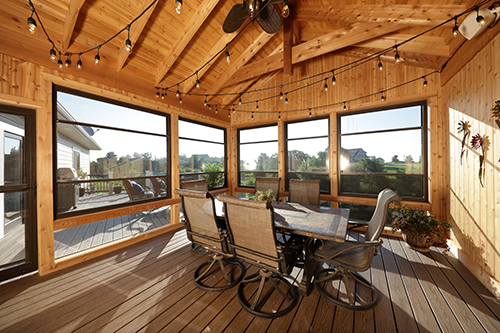
A screened porch that works well in July may become uncomfortable once wind and cold air move directly through the mesh. Adding seasonal panels can help turn that space into a more protected area without rebuilding the porch around permanent windows.

The right material depends on whether you prioritize maximum clarity, lower weight, durability, or a specific installation system.

For a full material comparison, read Metro's guide to winterizing your porch with acrylic, glass, or vinyl. If you are already ready to compare finished options, browse vinyl porch panels.

The Rest of Your Fall Home Maintenance Checklist

Once the windows are handled, use the same early-fall window to check the rest of the house. A practical fall home maintenance checklist can include:

  • Gutters: Make sure gutters and downspouts are clear before heavy fall debris and winter precipitation become a problem.
  • Heating system: Replace the furnace filter as recommended and schedule professional service if your system is due.
  • Outdoor faucets and hoses: Disconnect and drain hoses and follow the appropriate winterization guidance for your plumbing and climate.
  • Chimney and fireplace: Have fireplaces and chimneys inspected or serviced by a qualified professional when appropriate.
  • Smoke and carbon monoxide detectors: Test alarms and replace batteries or units according to manufacturer guidance.
  • Ceiling fans: Check whether your fan has a seasonal direction setting and follow the manufacturer's instructions.
  • Exterior penetrations: Look for obvious openings around utility penetrations or other exterior gaps that may need proper sealing.

A home winterization checklist does not need to become a major renovation plan. The goal is to identify problems while the weather still gives you time to address them.

Fall Prep Timeline

Planning the work across several weeks is easier than trying to winterize your home during the first freeze.

When What to do Why now
Early September Check windows for drafts and measure openings Gives you time to diagnose before ordering anything
Late September Order custom panels if needed Draft Blockers currently require about 7 to 10 days to manufacture
October Seal appropriate gaps and install winter panels Daytime temperatures are typically more workable for fall projects
November Finish seasonal screen swaps and store screens Keeps removable screens protected for winter
Ongoing Recheck windows after the first major cold spell New temperature conditions can reveal missed leaks

Colorado homeowners who prefer to discuss their project in person can also visit our Highlands Ranch showroom before peak winter weather arrives.

Frequently Asked Questions

When should I winterize my windows?

Early fall is usually the best time. Inspecting windows before freezing weather gives you time to seal appropriate gaps, measure openings, and order any custom-made panels before you need them. Caulk and sealants also have manufacturer-specific temperature requirements, which is another reason not to wait for extreme cold.

How do I know if my windows are drafty?

Check for moving air around the sash and frame using your hand, a careful smoke test, or a sheet of paper closed in the sash. Also inspect caulk and weatherstripping. Remember that cold glass can create downward air movement that feels like a draft even when no outdoor air is entering.

Does window insulation film actually work?

Window insulation film can create an additional seasonal barrier over cold glass and is a useful low-cost option. Its drawbacks are that it is generally temporary, may distort the view, prevents normal operation of the window while installed, and can affect some painted or finished surfaces when removed.

What is the difference between a Draft Blocker and a storm window?

A Draft Blocker Screen uses 20 gauge clear vinyl mounted in an aluminum screen-style frame and is designed to be easily removable for seasonal use. A storm window is a more traditional secondary window installed over an existing window for additional protection and insulation.

Should I remove my window screens in winter?

Seasonal insect screens can usually be removed once ventilation is no longer needed. Removing them gives you a chance to clean and inspect the mesh and store the panels away from winter exposure. If you use a matched Draft Blocker, the same opening can then hold the winter panel until spring.

Can I put a Draft Blocker panel on any window?

Draft Blocker Screens are custom made, but the window opening and available mounting method still matter. Metro offers several frame profiles and hardware options for different applications. Measure carefully and confirm the configuration before ordering a panel for an unusual or difficult opening.

How much heat do windows actually lose?

Windows can be an important source of heat transfer in a home, but the amount varies significantly based on the window type, glazing, installation, seals, climate, and building. Rather than relying on one percentage for every home, look for both air leakage and cold-glass heat transfer when deciding what to fix.

Seal First, Then Add the Right Layer

The best winter window solution starts with the problem, not the product. Seal genuine air leaks first. Then decide whether you need an additional layer over the glass, and choose that layer based on how permanent, reusable, and substantial you want it to be.

A temporary film may be enough for one room. A removable Draft Blocker may make more sense for a seasonal screen opening. Other windows may call for a traditional storm window or rigid glass panel.

For help with a custom project, request a quote, or explore Metro Screenworks' complete selection of fall and winter screens.